
Views: 0 Author: Site Editor Publish Time: 2026-10-29 Origin: Site


Aluminum windows offer incredible structural strength. They bring sleek aesthetics to modern architecture. However, they hide a massive winter flaw. Extreme thermal conductivity turns these beautiful frames into freezing ice boxes. This rapid heat loss leads to severe winter condensation. Industry professionals often call this frame sweating. Surface-level DIY fixes completely fail to solve it. Weatherstripping and draft blockers cannot alter metal conduction. You need true structural engineering solutions instead.
Today, we explore the building physics behind condensation. We will examine how altering surface dew points stops moisture formation. You will learn a practical framework for evaluating modern fenestration technology. This guide helps you navigate the complex engineering behind structural barriers. We will show you exactly how to evaluate and specify these components for cold climates.
Direct Answer: Thermal break strips do not "destroy" moisture; they prevent the interior aluminum frame from dropping below the room's dew point, effectively stopping condensation formation.
Structural Reality: They are not aftermarket add-ons. Thermal breaks are factory-engineered barriers separating the inner and outer aluminum profiles.
Material Choice Dictates ROI: Polyamide (PA66) is the industry standard due to its thermal resistance and matched expansion coefficient with aluminum.
Holistic Requirement: A thermally broken frame only prevents frame condensation; mitigating glass condensation requires proper glazing (Low-E, double/triple panes) and indoor humidity management.
Condensation is far more than a minor visual annoyance. Ignoring frame sweating carries severe consequences for residential and commercial properties alike. Continuous moisture buildup breeds dangerous black mold around window sills. This mold compromises indoor air quality. Dripping water silently degrades expensive drywall and interior finishes. It ruins wooden sub-frames hidden beneath the surface. Water runoff also degrades structural silicone sealants over time. Eventually, failing sealants allow bulk rainwater to penetrate the building envelope.
Furthermore, constant heat loss drastically increases your winter HVAC loads. Your heating system must work significantly harder to offset the freezing window perimeters. Solid aluminum acts as a thermal superhighway. It transfers heat incredibly fast compared to wood or vinyl. During cold winter months, the metal pulls expensive interior heat directly outside. This rapid thermal transfer leaves the interior side of the window frame freezing cold. Engineers refer to this phenomenon as thermal bridging.
To stop window sweating, you must first understand the dew point equation. Warm indoor air naturally holds suspended water vapor. Human breathing, cooking, and showering constantly add moisture to the room. When this warm, moist air collides against a freezing aluminum surface, a rapid phase change occurs. The air cools instantly and dumps its suspended moisture as liquid water droplets. This is condensation in action.
Your goal is never to remove all moisture from the indoor air. Extremely dry air causes health issues. Instead, the engineering goal focuses entirely on surface temperatures. You simply need to keep the interior frame surface temperature safely above the room's dew point. Altering the physics of the frame stops the condensation cycle permanently.
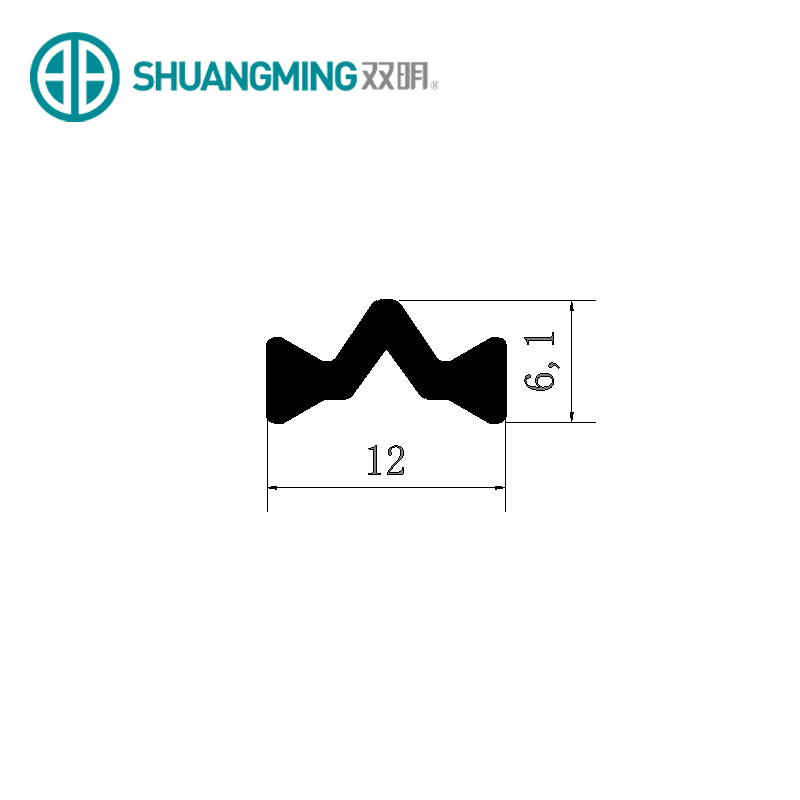
A thermal barrier is a highly engineered structural component. It fundamentally changes how metal windows operate. Manufacturers use thermal break strips to separate the exterior aluminum extrusion from the interior extrusion. This physical separation creates an insulated gap. The polymer barrier forcibly interrupts the thermal superhighway. Heat energy can no longer travel directly through the continuous solid metal.
Integrating these barriers measurably improves window performance metrics. It significantly lowers the window frame's U-value. The U-value measures the overall heat transfer coefficient of the structural assembly. Lower numbers indicate vastly superior insulation capabilities. Modern energy efficiency standards practically mandate these low U-values. Commercial building codes increasingly reject monolithic aluminum systems. The structural barrier allows the interior metal to stay warm while the exterior metal remains freezing.
Many homeowners mistakenly turn to ineffective DIY fixes. They visit online forums and purchase foam weatherstripping tape. They apply adhesive draft blockers around old monolithic aluminum frames. These surface fixes stop air drafts. They prevent cold wind from physically blowing into the room. However, they do absolutely nothing to stop thermal conduction through the metal itself.
Cold exterior temperatures easily bypass foam tape. The thermal energy simply travels along the metallic molecular structure. The interior metal frame will still freeze. The indoor air will still hit the cold metal. Sweating will inevitably occur. DIY tapes treat the symptom of drafts. They completely ignore the underlying physics of metal heat conduction.
Material selection dictates your entire window performance. Not all thermal barriers perform equally under structural stress. You must evaluate the core material chemistry before specifying a window system.
Polyamide 66 (PA66) reinforced with fiberglass represents the premium industry standard. It boasts high structural strength and excellent thermal resistance. More importantly, its coefficient of linear thermal expansion perfectly matches aluminum. This metric is incredibly important. Extreme temperature swings happen frequently. Summer heat bakes the metal. Winter storms freeze it. Because PA66 and aluminum share the same expansion rate, both materials expand and contract together in unison.
The window frame will not warp. It will not shear apart under stress. It retains full structural integrity over decades of harsh weather cycles. The fiberglass reinforcement adds crucial rigidity to support heavy glass panels.
Older manufacturers sometimes rely on polyurethane (PU) pour-and-debridge methods. They pour liquid polyurethane resin into a continuous metal channel. Once the resin cures, they mechanically cut away the bottom metal layer to create a break. This alternative method presents strict physical limitations. Polyurethane lacks the advanced load-bearing capacity of PA66. You should strongly avoid pour-and-debridge systems when installing heavy triple-glazing. The weight can cause long-term structural sagging.
You must also analyze the width and depth specifications of the barrier. The physical dimensions directly dictate the insulation value. A wider thermal strut creates a larger physical gap between the inner and outer metal. This larger gap traps more heat. It provides a higher insulation value. This dimension becomes a crucial consideration for modern architecture. Ultra-thin window profiles naturally restrict the maximum possible width of the internal polymer strut.
Material Comparison Chart: Thermal Insulation Technologies
Material Type | Expansion Match to Aluminum | Load-Bearing Capacity | Best Application |
|---|---|---|---|
PA66 (Fiberglass Reinforced) | Excellent (Exact Match) | Very High | Modern commercial facades, heavy triple-glazing. |
Polyurethane (Pour-and-Debridge) | Poor to Average | Moderate | Older residential models, lightweight single/double glazing. |
Standard PVC | Poor | Low | Budget applications, prone to warping in extreme heat. |
Do not fall for the retrofit myth. You cannot simply "add" insulation struts to existing solid aluminum windows. The manufacturing process requires massive factory pressing machinery. Technicians mechanically crimp the rigid polymer strips between two distinct aluminum profiles. They apply thousands of pounds of pressure. This creates a unified, sheer-resistant composite profile. If you currently have older monolithic frames, you must execute a full frame replacement. Retrofitting the barrier is physically impossible.
You must also avoid the silver bullet fallacy. Managing project expectations is critical. Even top-tier insulation barriers cannot defy extreme environmental physics. They will not stop condensation if your indoor relative humidity remains wildly uncontrolled. Poor ventilation in bathrooms or kitchens easily overpowers the system. If indoor air remains saturated with boiling water vapor, condensation will find the weakest link.
Similarly, pairing an advanced insulated frame with cheap single-pane glass ruins the entire assembly. The upgraded frame will stay dry. However, the cheap glass will turn into a sheet of ice. The glass will simply sweat instead of the frame. You need a holistic approach to building envelopes.
Modern architectural trends heavily favor slimline frames. Ultra-narrow sightlines look beautiful. They maximize glass areas and daylighting. However, they pose serious engineering challenges. Slim profiles leave significantly less physical room for wide insulation struts. Narrower struts inherently reduce overall thermal performance. Manufacturers must balance these ultra-thin sightlines with cold-climate performance needs. They often achieve this by using highly complex, multi-chambered polyamide shapes.
Best Practice: Always pair high-performance frames with active indoor humidity monitoring. Keep winter indoor humidity between 30% and 40%.
Common Mistake: Relying strictly on frame U-values while completely ignoring the center-of-glass performance metrics. Both must align.
Best Practice: Hire AAMA-certified installers. They ensure proper perimeter sealing against the building envelope to prevent hidden wall condensation.
Common Mistake: Assuming trickle vents are unnecessary. Modern airtight homes require mechanical or passive ventilation to expel excess indoor moisture.
You must verify marketing claims before purchasing new window systems. Always look for established, third-party laboratory certifications. Demand NFRC (National Fenestration Rating Council) labels on the product data sheets. Alternatively, seek AAMA-certified thermal performance ratings. These independent testing bodies validate the manufacturer's engineering claims. They prevent brands from exaggerating their cold-weather capabilities.
Next, evaluate the total system synergy. A great window frame cannot perform effectively alone. Ensure the window utilizes warm-edge spacers inside the glass units. Older aluminum spacers conduct cold directly into the glass edges. Warm-edge polymer spacers eliminate this secondary thermal bridge. Verify the manufacturer includes appropriate argon-filled or krypton-filled glazing. High-quality Low-E (low-emissivity) glass coatings remain absolutely mandatory for cold climates.
You must actively interrogate your window vendor. Do not accept vague answers about "energy efficiency." Ask precise technical questions to gauge their expertise.
Follow these numbered steps when evaluating a vendor:
Interrogate the Polymer Material: Ask, "What exact material forms the thermal break inside the frame?" Listen closely for PA66 reinforced with fiberglass. Reject standard PVC or unreinforced plastics.
Verify the Condensation Rating: Ask, "What is the Condensation Resistance (CR) rating of the complete assembled unit?" The CR scale runs from 1 to 100. Higher CR ratings indicate vastly superior resistance to winter sweating.
Check the Internal Dimensions: Ask, "How wide is the internal thermal strut?" Aim for wider struts (often 24mm to 35mm or larger) if your local climate experiences severe freezing winters.
Inquire About Glass Spacers: Ask, "Does the insulated glass unit use stainless steel or warm-edge polymer spacers?" Demand warm-edge technology to protect the glass perimeter.
Thermally broken aluminum provides a highly effective engineering solution. It remains a strictly necessary upgrade for eliminating frame condensation in cold climates. Proper material specification is the key to lasting structural success. Relying on PA66 fiberglass struts guarantees long-term durability and matched thermal expansion.
You must adopt a holistic view of building physics. Start by thoroughly auditing your current window performance this winter. Monitor your indoor humidity levels closely. Next, check your local building energy codes for minimum U-value requirements. Finally, consult directly with a certified fenestration expert to quote factory-engineered thermally broken systems. Ensure they specify warm-edge spacers and Low-E glass to complement the advanced frame technology.
A: No. Thermal breaks are mechanically crimped between two separate aluminum extrusions at the manufacturing facility. This requires heavy industrial pressing machinery. Existing monolithic frames cannot be retrofitted and must be entirely replaced.
A: No, provided high-quality PA66 fiberglass-reinforced strips are used. They are specifically engineered to handle extreme shear loads and the structural weight of heavy triple glazing without warping.
A: The thermal break only protects the aluminum frame. Glass condensation is a result of the glazing specification (e.g., missing Low-E coating, failed argon seals) or excessively high indoor humidity without proper room ventilation.


