
Views: 0 Author: Site Editor Publish Time: 2026-03-12 Origin: Site


When discussing modern building insulation and energy-efficient construction, rockwool frequently enters the conversation. As manufacturers involved in thermal performance solutions such as thermal isolation strip systems for doors and windows, we often work alongside materials like rockwool in comprehensive insulation designs. While rockwool and thermal isolation strips serve different functions, they share a common goal: improving building performance, reducing energy transfer, and enhancing overall comfort.
In this article, we take a closer look at what rockwool is, why it is widely used in construction, and how it complements other thermal control components like thermal isolation strips in energy-efficient structures.
Rockwool, also known as mineral wool, is an insulation material made from natural volcanic rock and recycled slag. These raw materials are melted at high temperatures and spun into fine fibers, forming a dense mat-like structure. The result is a non-combustible, thermally stable insulation product widely used in residential, commercial, and industrial buildings.
Unlike foam-based insulation materials, rockwool has a fibrous structure that provides multiple performance benefits beyond simple thermal resistance.
Rockwool has become a widely specified insulation material in modern construction due to its balanced performance across thermal, fire, acoustic, and durability requirements. In energy-efficient buildings, it is often used together with structural thermal solutions such as a thermal isolation strip in aluminum window and door systems. While rockwool insulates wall and roof assemblies, thermal isolation strips reduce heat transfer through metal frames. Together, they help create a more stable and energy-conscious building envelope.
Below, we explore the core advantages of rockwool in greater depth.
One of the primary advantages of rockwool is its strong thermal insulation capability. Its fibrous structure traps air within its matrix, slowing down heat transfer through both conduction and convection. Because air is a poor conductor of heat, this trapped air layer plays a significant role in reducing thermal exchange between indoor and outdoor environments.
Property | Rockwool Performance |
Thermal Conductivity | Low |
Heat Resistance | High |
Dimensional Stability | Strong |
In wall systems, roof assemblies, and curtain wall back panels, rockwool contributes to maintaining indoor temperature balance. During winter, it helps reduce heat loss. During summer, it slows external heat penetration.
However, insulation materials alone cannot eliminate thermal bridging if structural elements like aluminum frames remain conductive. This is where a thermal isolation strip becomes essential. Installed inside aluminum window and door profiles, thermal isolation strips break the metal’s conductive path. When rockwool insulation is combined with thermally broken aluminum systems, the overall building envelope achieves significantly improved energy efficiency.
Fire performance is one of rockwool’s most recognized strengths. Because it is made from natural stone materials melted at high temperatures, rockwool is inherently non-combustible.
Key fire-related advantages include:
High melting point
No contribution to flame spread
Stable structural behavior under heat exposure
Unlike some organic insulation materials, rockwool does not release large amounts of smoke or toxic gases when exposed to fire. This characteristic makes it particularly valuable in projects where fire safety is a priority, such as:
High-rise residential buildings
Commercial complexes
Industrial facilities
Public infrastructure
In many building regulations worldwide, rockwool is selected specifically to meet fire performance standards. When integrated with aluminum systems that include thermal isolation strips, the façade system benefits from both improved insulation and controlled fire behavior.
Another significant benefit of rockwool is its acoustic performance. Its dense fibrous structure effectively absorbs airborne sound waves by reducing vibration transmission through wall cavities.
Applications where sound insulation is critical include:
Residential buildings near busy roads
Office partitions requiring privacy
Industrial workshops
Educational institutions
Hospitals and healthcare facilities
Rockwool reduces echo and external noise penetration, improving indoor comfort levels. While thermal isolation strips focus primarily on reducing heat transfer within aluminum frames, rockwool enhances overall wall and partition sound control. Together, these materials contribute to both thermal and acoustic stability.
In urban environments where both temperature control and noise reduction are essential, this combined approach provides measurable benefits.
Moisture management is a critical factor in long-term building durability. Rockwool does not absorb water in the same way that some organic insulation materials might. It allows vapor diffusion while maintaining its internal structure.
Advantages include:
Resistance to mold and mildew growth
Stable thermal performance even in humid climates
Reduced risk of sagging or structural deformation
Because it is vapor permeable, rockwool allows buildings to “breathe,” reducing condensation risks within wall cavities. This contributes to healthier indoor environments and longer-lasting structures.
When rockwool is used in conjunction with thermally broken aluminum systems incorporating thermal isolation strips, both moisture stability and thermal control are preserved. This integrated design approach helps maintain consistent performance over many years.
Dimensional stability is another major advantage. Rockwool maintains its thickness and shape across temperature fluctuations. It does not significantly shrink, warp, or expand under normal building conditions.
This stability supports:
Long-term energy efficiency
Reduced maintenance requirements
Consistent insulation performance
Structural reliability
In façade systems, particularly those using aluminum frames with thermal isolation strips, consistent insulation thickness is essential. Any movement or shrinkage in insulation materials could compromise energy performance. Rockwool’s structural consistency ensures that thermal resistance remains predictable throughout its service life.
Sustainability is increasingly important in modern construction. Rockwool is often produced using abundant natural materials and may include recycled content. Additionally:
It is durable and long-lasting
It contributes to reduced heating and cooling demand
It supports energy-efficient building design
Because rockwool has a long service life, it reduces the need for frequent replacement. Its durability aligns well with long-term building performance strategies.
When combined with components like a thermal isolation strip, the overall building envelope achieves improved energy efficiency by reducing heat transfer through both walls and frames. Lower energy demand for heating and cooling contributes to reduced operational emissions over the building’s lifespan.
Modern energy-efficient construction relies on a systems approach. No single material solves every challenge. Rockwool addresses insulation, fire, acoustic, and moisture stability requirements within walls and roofs. Thermal isolation strips address thermal bridging within aluminum profiles.
Together, they contribute to:
Improved indoor temperature consistency
Reduced energy loss
Enhanced occupant comfort
Greater structural durability
By combining reliable insulation materials with engineered thermal break systems, architects and builders can achieve balanced performance across safety, comfort, and energy efficiency.
Rockwool’s versatility and compatibility with thermally broken aluminum systems make it a valuable component in contemporary façade and envelope design.
To better understand its advantages, here is a simplified comparison:
Feature | Rockwool | Foam Insulation | Fiberglass |
Fire Resistance | Very High | Moderate | Moderate |
Acoustic Performance | Strong | Limited | Moderate |
Moisture Behavior | Stable | Can trap moisture | Can absorb moisture |
Dimensional Stability | Excellent | Variable | Moderate |
Each material has its place, but rockwool stands out for its balanced performance in thermal, fire, and acoustic applications.
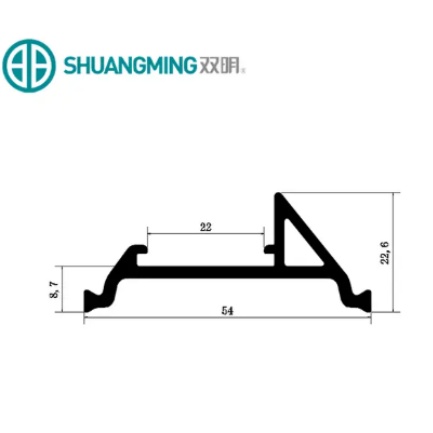
While rockwool insulates walls and roofs, a thermal isolation strip is used inside aluminum window and door profiles to break the thermal bridge between interior and exterior metal sections.
Aluminum is a highly conductive material. Without a thermal break, heat flows easily through the frame. Thermal isolation strips, often made from polyamide or similar engineered plastics, reduce this heat transfer.
When rockwool insulation is used in walls and a thermal isolation strip is used in aluminum frames, the building envelope achieves:
Reduced overall heat loss
Improved indoor temperature stability
Lower energy demand for heating and cooling
This integrated approach is increasingly common in modern energy-efficient construction.
Rockwool is widely used in:
External wall insulation systems
Roof insulation
Curtain wall back panels
Industrial equipment insulation
Fire protection assemblies
Its versatility makes it compatible with multiple building systems, including thermally broken aluminum windows that use thermal isolation strips.
For optimal performance:
Ensure tight installation without gaps
Avoid compressing insulation excessively
Combine with vapor control layers when required
Coordinate with window frame thermal isolation systems
Proper installation ensures that rockwool performs as intended over the long term.
Rockwool offers a combination of thermal insulation, fire resistance, acoustic absorption, moisture stability, and long-term durability. In modern construction, it plays a critical role in improving building performance. When paired with high-quality thermal isolation strip systems in aluminum doors and windows, the result is a comprehensive approach to reducing thermal bridging and enhancing energy efficiency.
At www.shuangming-plastic.com, we specialize in manufacturing reliable thermal isolation strip solutions that complement high-performance insulation materials like rockwool. By integrating advanced thermal break technology with proper wall insulation strategies, builders can achieve better energy performance and structural stability.
If you would like to learn more about our thermal isolation strip products and how they support modern building systems, please visit www.shuangming-plastic.com for further information.
1. Is rockwool better than fiberglass insulation?
Rockwool offers strong fire resistance and acoustic performance, making it suitable for projects requiring enhanced safety and sound control.
2. Can rockwool be used together with thermal isolation strip systems?
Yes, rockwool insulates walls while thermal isolation strips reduce heat transfer in aluminum frames, creating a more energy-efficient envelope.
3. Does rockwool absorb water?
Rockwool is moisture-resistant and allows vapor diffusion while maintaining structural stability.
4. Why are thermal isolation strips important in aluminum windows?
Thermal isolation strips reduce heat bridging in aluminum frames, improving overall insulation performance.

